
Home / Remodeling Guides / Remodeling an Older Home
What Does It Cost to Remodel an Older Ranch or Split-Level Home in Gainesville, GA?
What to check for, what it costs to fix and which updates make the biggest difference in 1950s to 1980s homes across Gainesville, Hall County and the Lake Lanier area.
Quick answer: Remodeling an older ranch or split-level in Gainesville and Hall County usually costs about $7,000 to $50,000 for cosmetic updates, $15,000 to $120,000 for a main-level remodel with a new kitchen and open floor plan, and $40,000 to $250,000+ for a full renovation. Homes built from the 1950s to the 1980s often also need behind-the-walls updates, such as a panel upgrade ($2,000–$5,000), rewiring ($8,000–$25,000) or repiping ($4,000–$15,000), so plan on a 10 to 20 percent contingency. EBD Construction LLC is a licensed and insured general contractor in Gainesville, Georgia with 15+ years of remodeling local homes. Call 404-925-7481 for a free consultation.
Looking for a remodeler? See home remodeling in Gainesville, GA for every service EBD offers, with typical costs and timelines.
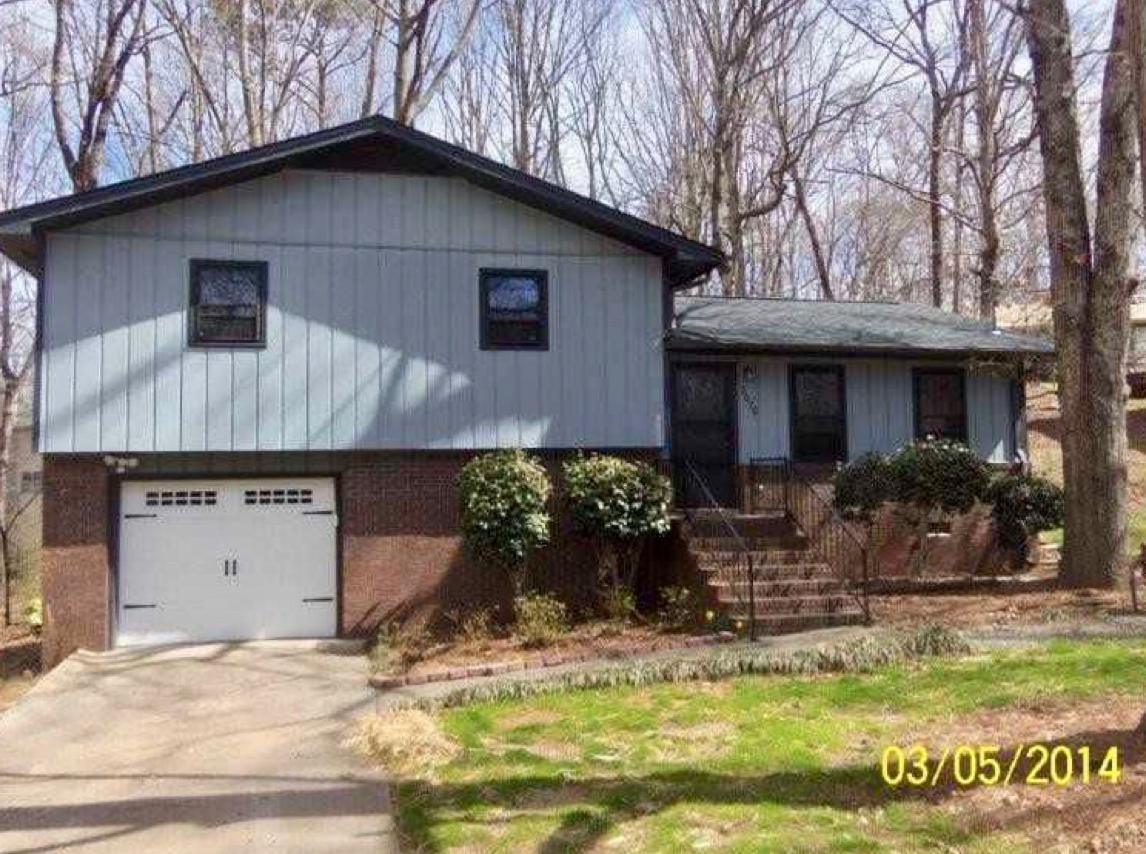
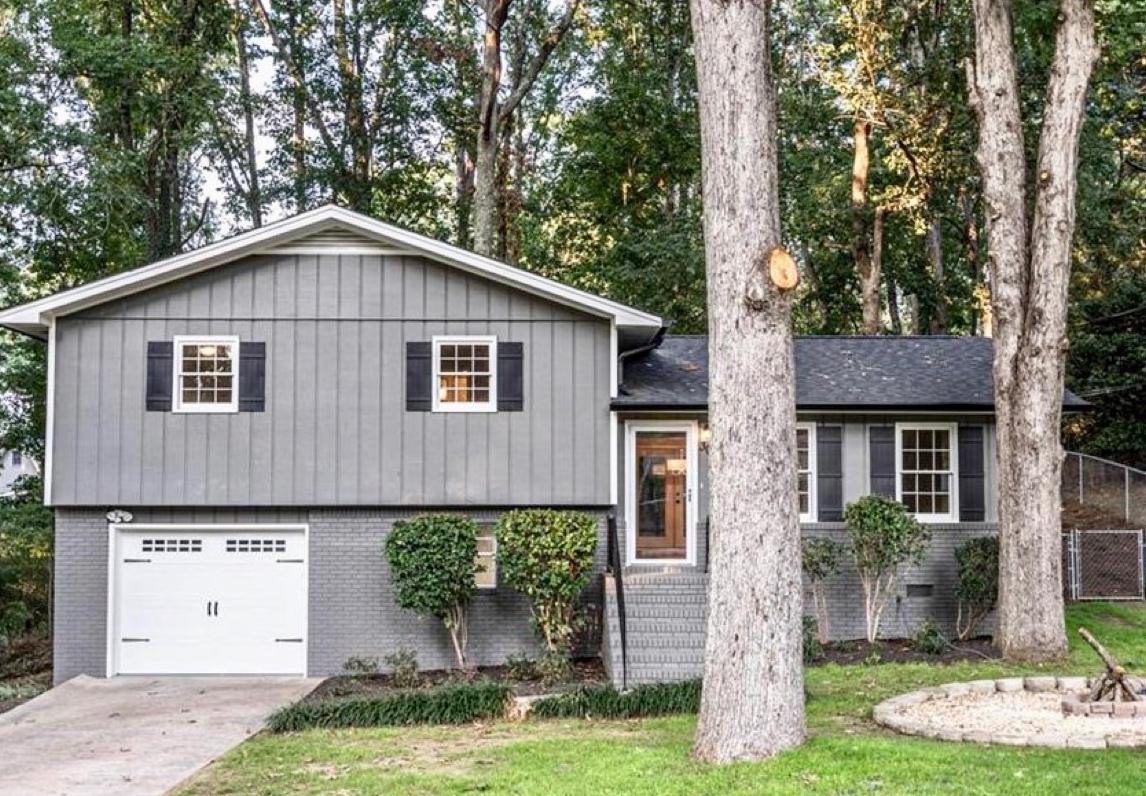
Why remodel an older ranch or split-level?
Gainesville and Hall County are full of brick ranches and split-levels built from the 1950s through the 1980s, in established neighborhoods close to town and the lake. They often sit on bigger, wooded lots than new subdivisions, and they're built simply, with straight rooflines and easy-to-reach crawl spaces or basements. That makes them great candidates for a remodel. The usual complaints are the same ones in almost every house: a closed-off kitchen, small dated bathrooms, low or dark rooms, and wiring and plumbing that are 40 to 70 years old.
What hidden problems do older Gainesville homes have?
Nothing on this list is a reason to walk away from an older house. It's just what to check before you plan the fun parts, because fixing it while the walls are open costs far less than fixing it later.
| What to check | Common in homes built | Why it matters |
|---|---|---|
| Electrical panel of 60 to 100 amps, or a Federal Pacific or Zinsco panel | 1950s–1980s | Too small for modern kitchens and HVAC; some brands have known safety problems |
| Two-prong outlets with no ground, few GFCI outlets | Before mid-1960s | Shock risk; not enough circuits for today's kitchens and baths |
| Aluminum branch wiring | About 1965–1973 | Connections can overheat; needs repair or replacement by an electrician |
| Galvanized steel water pipes | Before the 1960s | Rust inside, low water pressure, leaks |
| Polybutylene (gray plastic) water pipes | About 1978–1995 | Known for sudden failures; many insurers and buyers dislike it |
| Cast iron drain lines | Before the 1970s | Cracks and rust-through, slow drains |
| Popcorn ceilings, 9x9 vinyl floor tiles, old duct wrap | Before about 1980 | May contain asbestos; test before disturbing |
| Lead paint | Before 1978 | Requires lead-safe work practices during renovation |
| Crawl space moisture, sagging floors, rotted sill plates | Any older home | Bouncy or uneven floors, mold, damaged framing |
Tip: If you're buying an older home, a home inspection plus a quick look from a contractor who remodels older houses can tell you what's behind the walls before you close, while it can still be part of the price negotiation.
What do the behind-the-walls fixes cost?
| Fix | Typical cost |
|---|---|
| Electrical panel upgrade to 200 amps | $2,000–$5,000 |
| Partial or whole-house rewire | $8,000–$25,000 |
| Repipe water lines with PEX | $4,000–$15,000 |
| Replace sections of cast iron drain | $2,000–$10,000 |
| Asbestos testing | $250–$750 |
| Asbestos removal by a licensed abatement company | $1,500–$7,000+ |
| Lead paint testing | $300–$800 |
| Popcorn ceiling removal and refinish (tested asbestos-free) | $1,500–$5,000 |
| Crawl space framing repairs (new piers, sistered joists, sill plates) | $2,000–$10,000 |
| Crawl space encapsulation and dehumidifier | $5,000–$15,000 |
| Subfloor repair under old bathrooms and kitchens | $500–$3,000 |
Not every house needs every item, and many need none. Rewiring and repiping are much cheaper during a kitchen or whole-home remodel, when walls and ceilings are already open, than as separate projects later.
Which updates make the biggest difference in an older home?
- Open the kitchen. Taking out the wall between the kitchen and the living or dining room is the most popular change in older ranches. It often means a new beam, typically $3,000 to $15,000. See our wall removal guide.
- A new kitchen. Original kitchens in these homes are small and closed in. See our kitchen remodeling cost guide, or our cabinet guide if the boxes are still solid.
- Updated bathrooms. Most have one small hall bath and a tiny primary bath. Swapping a tub for a walk-in shower or enlarging the primary bath makes a big difference. See our tub-to-shower conversion guide.
- One floor throughout. Pulling up old carpet, vinyl and parquet and running one floor through the main level makes the house feel larger. Many ranches have oak hardwood under the carpet that can be refinished. See our flooring guide.
- A vaulted ceiling. In homes framed with rafters rather than trusses, raising a flat ceiling in the living room can be possible, typically $10,000 to $40,000 with a structural beam.
- Update the fireplace. Painting the brick, adding a wood beam mantel or refacing it in stone makes the living room feel new. See what a fireplace makeover costs.
- Curb appeal. New siding or paint, a covered front porch, new shutters and a new front door turn a plain ranch into a standout. See our exterior remodeling guide.
Want to see how your house would look with the wall gone or a new exterior? Eric can show you AI mockups of your own home at the consultation. See how AI remodel mockups work.
What about lead paint and asbestos?
Both are common in homes from this era, and both are manageable. Lead paint: if your home was built before 1978, federal EPA rules require renovation work that disturbs painted surfaces to be done by a certified firm using lead-safe practices, such as plastic containment, no dry sanding and careful cleanup. A lead test before work starts shows where it is. Asbestos: popcorn ceilings, old 9-by-9-inch floor tiles and their black glue, and some pipe and duct insulation can contain it. It's only a hazard when disturbed, so suspect materials should be tested before demolition and, if positive, removed by a licensed abatement company. Ask any contractor you're considering how they handle both.
How much should I budget for an older-home remodel?
| Scope | Typical cost | Typical time |
|---|---|---|
| Cosmetic refresh: paint, floors, lighting, fixtures | $7,000–$50,000 | 2–6 weeks |
| Main-level remodel: new kitchen, open floor plan, floors | $15,000–$120,000 | 2–4 months |
| Full renovation: kitchen, baths, systems, floors, exterior | $40,000–$250,000+ | 3–8 months |
| Down-to-the-studs renovation | $80,000+ | 4–10 months |
Add a 10 to 20 percent contingency for what turns up once the walls are open. For more detail, see our whole-home renovation guide, and if you're torn between fixing up an older home and starting over, see remodel, add on or build new.
Do I need permits to remodel an older home?
Most of the work in an older-home remodel needs permits: rewiring, panel upgrades, repiping, moving plumbing, removing load-bearing walls and additions. Inside city limits that's the City of Gainesville, and in unincorporated areas it's Hall County. Older homes sometimes have earlier work done without permits, which may need to be brought up to code during the remodel. Eric pulls every permit himself. See our building permits guide.
Where does EBD Construction remodel older homes?
- Gainesville
- Flowery Branch
- Oakwood
- Buford
- Braselton
- Chestnut Mountain
- Murrayville
- Lake Lanier homes
- All of Hall County
- Towns north of Gainesville
Why hire EBD Construction for an older home?
- 15+ years in local homes. Based in Gainesville, licensed and insured, all work guaranteed.
- Full-service general contractor. Framing, beams, kitchens, baths, floors and exteriors, managed start to finish by one contractor.
- See it first. AI mockups of your own home at the consultation.
- You talk to the owner. Eric Bubniak is your point of contact from the first visit to the final walkthrough, and he pulls every permit himself.
- The same crew every time. Three full-time builders who have worked together for over a decade, with 5-star reviews on Thumbtack.
Older home remodeling FAQs
What problems should I look for in a 1960s or 1970s house?
The most common are an undersized or recalled electrical panel, two-prong ungrounded outlets, aluminum branch wiring in some homes built around 1965 to 1973, galvanized steel or polybutylene water pipes, aging cast iron drains, possible asbestos in popcorn ceilings and old floor tiles, lead paint in homes built before 1978, and moisture or sagging floors in crawl spaces.
Is it worth remodeling an old ranch house?
Often yes. Many 1950s to 1980s ranches in Gainesville and Hall County sit on large, established lots in convenient neighborhoods and have simple, sturdy framing that is easy to update. Opening the kitchen, updating baths and floors and bringing the systems up to date can make one feel like a new home for less than building new.
Can you open up a ranch house floor plan?
Usually. Many ranches have a load-bearing wall down the middle, so removing walls between the kitchen, dining and living rooms often needs a new beam, but it is very common. Load-bearing wall removal with a beam typically costs about $3,000 to $15,000.
Do older homes have asbestos?
Homes built before about 1980 may contain asbestos in popcorn ceilings, 9-by-9-inch vinyl floor tiles and their glue, pipe and duct insulation, and some siding. Have suspect materials tested before they are disturbed; testing usually costs about $250 to $750, and removal by a licensed abatement company often $1,500 to $7,000 or more.
What should I know about lead paint in an older home?
Homes built before 1978 may have lead paint. Federal EPA rules require renovation work that disturbs painted surfaces in those homes to be done by a certified firm using lead-safe practices, such as containment and careful cleanup. A lead test before work starts tells you where it is.
How much should I budget for surprises in an older home?
Plan on a contingency of 10 to 20 percent of the project cost. Rot under a bathroom floor, old wiring inside walls and crawl space repairs are the most common surprises in Gainesville-area homes from the 1950s to 1980s.
Is EBD Construction licensed and insured?
Yes. EBD Construction LLC is licensed and insured, all work is guaranteed, and references are available on request.
Ready to bring your older home up to date?
Call Eric Bubniak at 404-925-7481 or fill out the form below. Tell us when your home was built and what you'd like to change, and we'll set up a free consultation and written estimate.
Get your free consultation
Tell us a little about your project. Eric will call you within one business day to talk it through and set up a time to see the space.